Lion Diet Guidebook
£9A planned written resource to revisit. Final content and availability will be confirmed before sales begin.
Guidebook — Coming SoonThe lion diet is commonly described as ruminant meat, salt and water. It is a highly restrictive eating pattern, rather than an established treatment.
Free guides to read now. Ebook and video course coming soon.
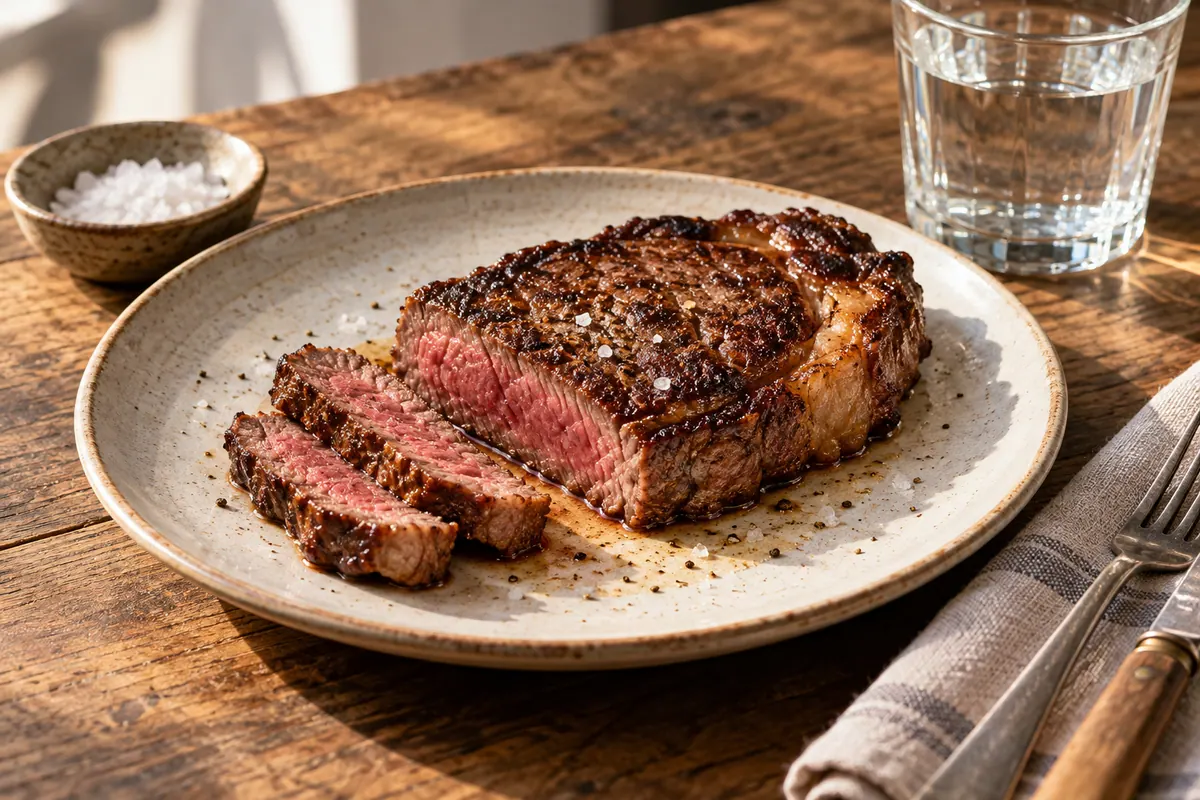
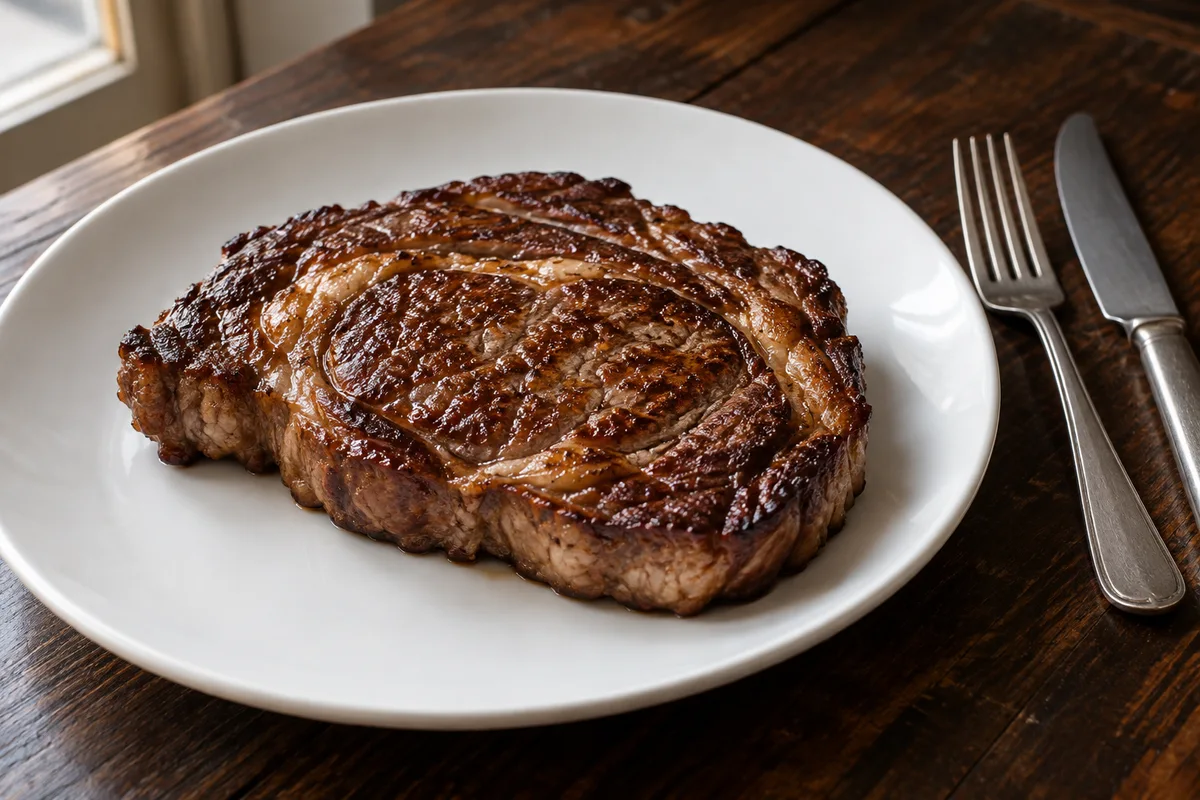
Online versions of the lion diet usually centre on beef or other ruminant meat, with salt and water. Rules vary, and a label does not make the plan nutritionally complete.
Removing almost every food group raises questions about fibre, micronutrients, saturated fat and long-term practicality. Reports of feeling better can be meaningful to an individual, but they cannot establish which change caused the result or prove a treatment works.
Our free Lion Diet starter ebook is planned. Until it is ready, explore the practical articles on this website.
Start by asking what you want to improve: digestive symptoms, convenience, weight management or a specific diagnosed condition. These are different questions, and one rigid menu is unlikely to answer all of them.
Keep a realistic record of meals, symptoms and changes in sleep or stress. Discuss persistent concerns with a clinician and ask a registered dietitian to review nutrient adequacy.
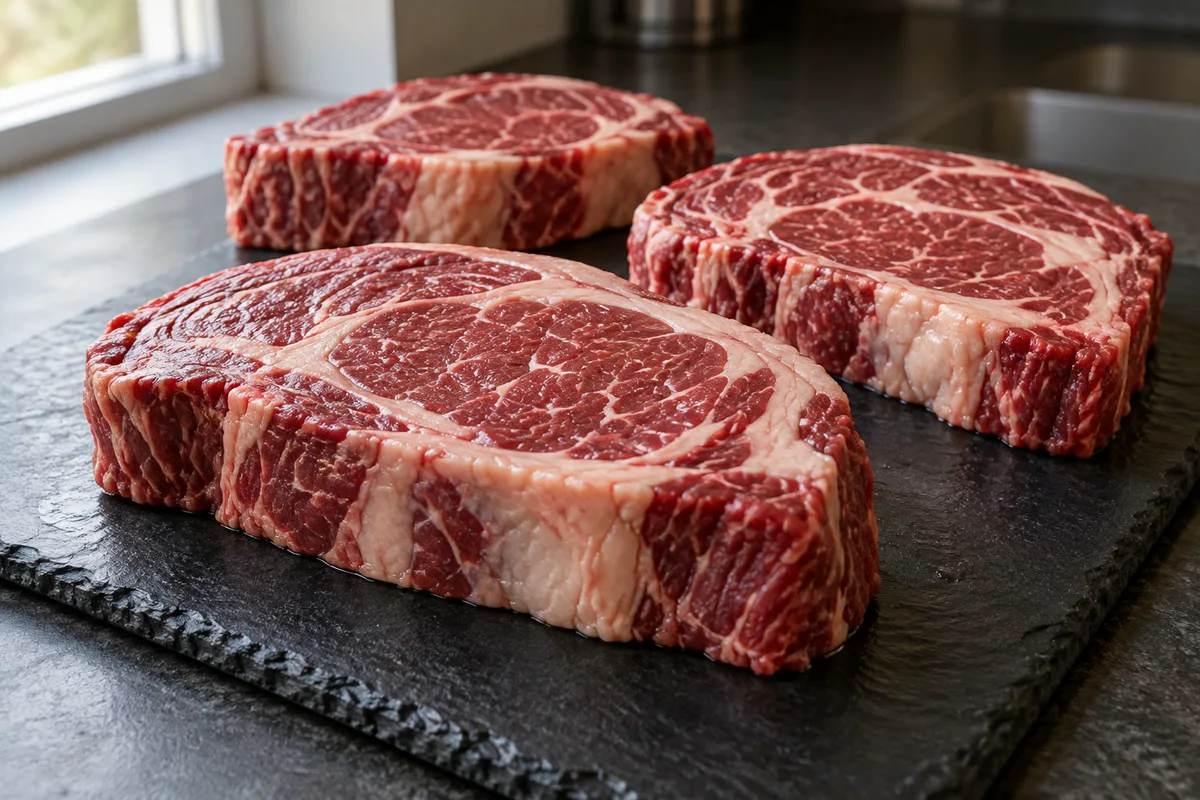
Our planned Lion Diet Online Video Course will bring the main ideas together. The course has not been created; enrolment is not open.
Planned price £27. No payments or orders are being taken.
Explore the video courseA planned written resource to revisit. Final content and availability will be confirmed before sales begin.
Guidebook — Coming SoonA planned video learning resource. Lessons, running time and access arrangements are not yet confirmed.
Course — Coming SoonExplore the practical questions first, then choose the information that fits your own circumstances.
An evidence-aware introduction to the lion diet, common food rules, exclusions and the limits of online health claims.
Read the guideCompare lion and carnivore diet definitions, food exclusions, practical differences and questions about evidence.
Read the guideUnderstand why nutrient adequacy needs individual review when a diet excludes almost every food group.
Read the guideA practical guide to bowel changes, symptom records and getting help without assuming digestive discomfort is a normal adjustment.
Read the guideStart with the essentials. Follow the linked guides for more detail and sources.
Common descriptions include ruminant meat such as beef or lamb, salt and water. Rules vary between promoters.
This site does not present it as an established treatment. A personal account cannot show that a diet caused improvement or establish safety.
It is usually a narrower version. Carnivore descriptions may include eggs, fish and dairy; lion diet descriptions commonly exclude them.
Meat does not provide dietary fibre. Removing plant foods removes the main sources used in UK healthy-eating guidance.
No. Discuss treatment with the clinician who manages your condition; do not replace prescribed care with an online diet.
A £9 guidebook and £27 online video course are planned. They have not been created and are not available to buy.
Clear answers to everyday questions.
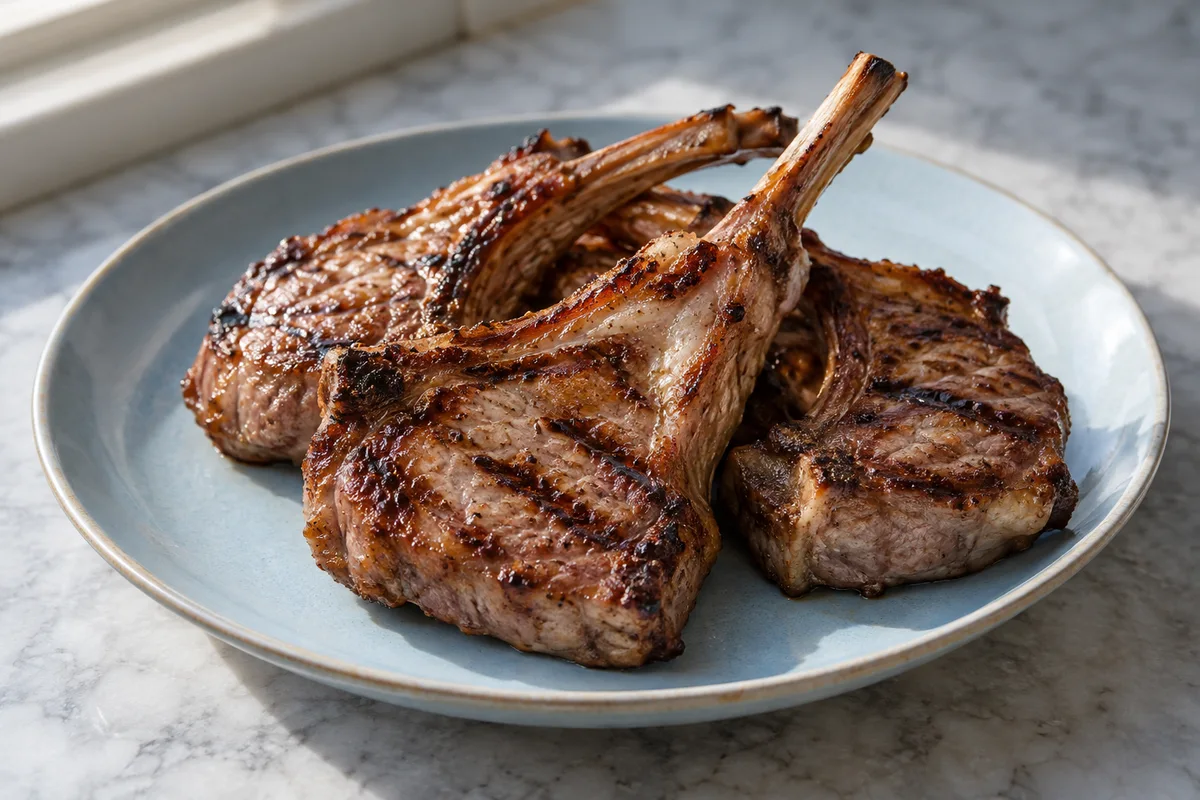
Understand why meat choices, saturated fat and your own cholesterol results matter when considering a highly restrictive diet.
Read article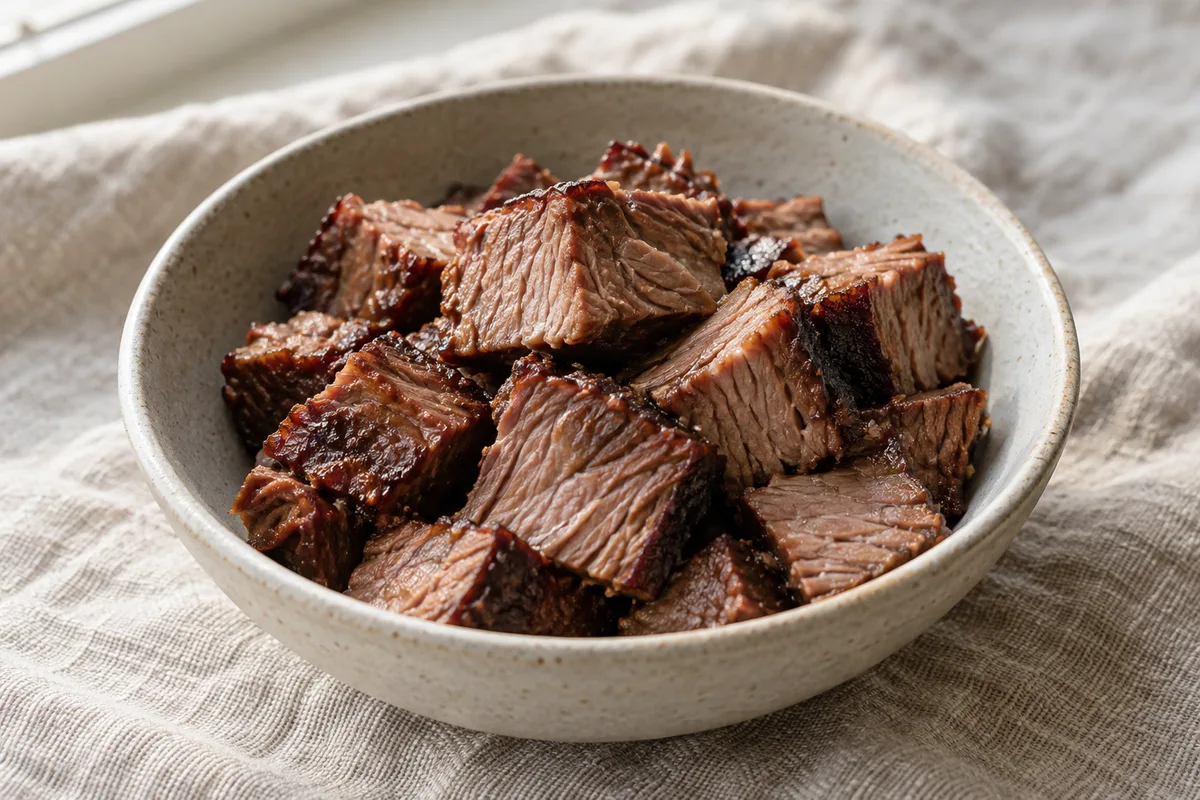
A practical guide to bowel changes, symptom records and getting help without assuming digestive discomfort is a normal adjustment.
Read article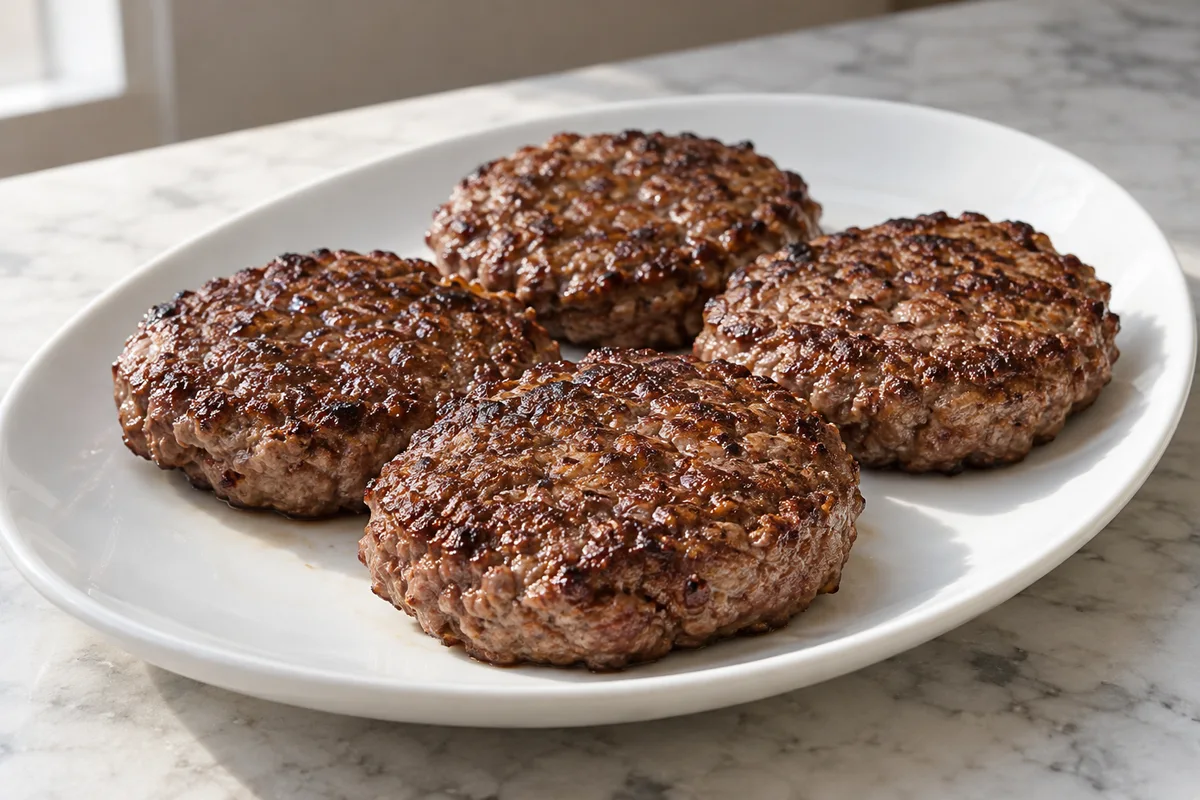
Understand why nutrient adequacy needs individual review when a diet excludes almost every food group.
Read articleUnderstand common versions and how they differ from carnivore diets.
Consider fibre, food variety and nutritional adequacy.
Read how lion and carnivore diets differ before treating them as the same.
Separate personal reports from evidence of treatment benefit.
Prepare questions for a clinician or registered dietitian.
Explore questions about everyday meals, cost and life beyond strict food rules.
Information is grounded in the sources linked from each article. These are learning topics, not promised results from our future products.