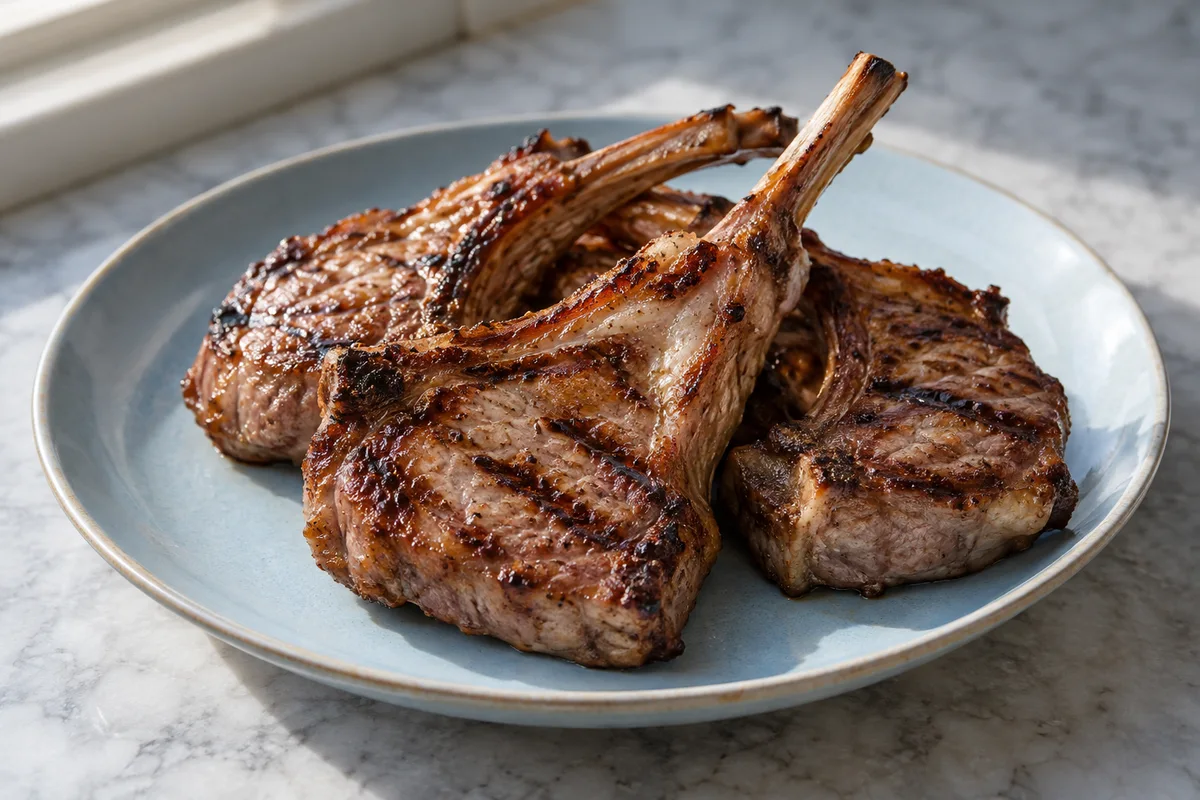
A lion diet does not specify one fixed nutrient intake. Someone choosing lean cuts may eat a different amount of saturated fat from someone adding substantial quantities of beef fat. The label alone is therefore an unreliable description of what is happening nutritionally. Cholesterol discussions should start with the actual menu and the person’s medical context.
This guide does not interpret your test results or recommend replacing prescribed medicines. It gives you a framework for a useful conversation with the clinician who manages your cardiovascular risk.
Look at the foods you actually choose
Cuts of meat differ, and portion sizes matter. Write down a typical week, including any added fats. A photograph of one lean steak does not describe a pattern in which other meals contain large amounts of fatty meat. Equally, a discussion of fatty cuts should not pretend that every meat meal is identical.
NHS guidance recommends replacing some saturated fat with unsaturated fat. Many common unsaturated-fat foods are excluded by strict lion diet rules. That creates an important tension between the online pattern and mainstream cardiovascular advice; it should be discussed openly rather than hidden behind the word natural.
Improvement in one measure does not settle the whole picture
Weight, energy, blood glucose and different cholesterol measures are not interchangeable. If one result improves, another result still deserves attention. Feeling energetic is valuable, but it cannot tell you every detail of cardiovascular risk.
Bring previous results to a review if you have them. Ask which findings matter in your circumstances and what follow-up is appropriate. The clinician may consider factors beyond diet, including family history, blood pressure, smoking and existing conditions. An online calculator or community comment cannot replace that assessment.
Question dismissive explanations
Be cautious when a promoter says a concerning result never matters for anyone following their diet. A confident statement does not show that it applies to you. Ask what evidence supports the claim, whether it concerns the same eating pattern and whether the outcomes were measured over a meaningful period.
The opposite mistake is to interpret a single number without context and panic. Ask for an explanation from an appropriate professional. A considered review is more useful than either blanket reassurance or a dramatic internet verdict.
Keep treatment decisions separate from diet identity
Do not stop medication because an online group frames treatment as incompatible with a dietary approach. If you have concerns about benefits or side effects, discuss them with your prescriber. You can ask questions and review options without making an unsupervised change.
If you want to change your eating pattern, discuss ways to preserve protein and convenience while broadening food choices. A dietitian can help adapt meals to your preferences and clinical advice. The goal is a sustainable pattern that supports your health, not winning an argument about a diet label.
Write your questions before the appointment so that the discussion does not become a debate about internet identities. Ask what needs monitoring, which changes are realistic and how success will be judged. A clear follow-up plan is more useful than a verdict on a label.
A practical example
A person feels more energetic on a restrictive menu but notices that their latest cholesterol result differs from a previous test. They bring both reports and a week of meal notes to a review. Instead of assuming the energy improvement cancels out the laboratory change, they ask what each finding means and discuss whether a broader menu would fit the advice they receive.
Your next steps
- Keep copies of relevant test results and their dates.
- Record meat choices, portions and added fats accurately.
- Ask how your results fit your overall cardiovascular risk.
- Discuss dietary and medication changes with the appropriate professional.
Sources and scope
Keep exploring
- What is the lion diet? Rules, variations and the questions that matter
- Lion diet vs carnivore: what is the difference?
- Lion diet nutrition: fibre, variety and potential gaps
- Lion diet and digestion: why persistent symptoms need assessment
- Moving beyond a very restrictive diet: planning a more varied menu
Keep exploring the practical questions.
Explore the guides